
Retinal health, the silent guardian of your eyesight, is often overlooked until it decides to throw a tantrum. Imagine your favorite superhero—only this time, it’s your retina, swooping in to save the day! With the power to influence everything from how you see the world to how well you navigate your morning coffee without spilling it everywhere, maintaining this crucial component of your eye is no laughing matter.
From the impact of retinal diseases that can turn vibrant visuals into blurry blobs to tips on keeping your retinas as fit as a fiddle through diet and lifestyle tweaks, this adventure into the realm of retinal health is packed with insights. So, put on your imaginary eye masks, and let’s dive into the colorful world of vision preservation and eye wellness!
Retinal Health and Eye Vision
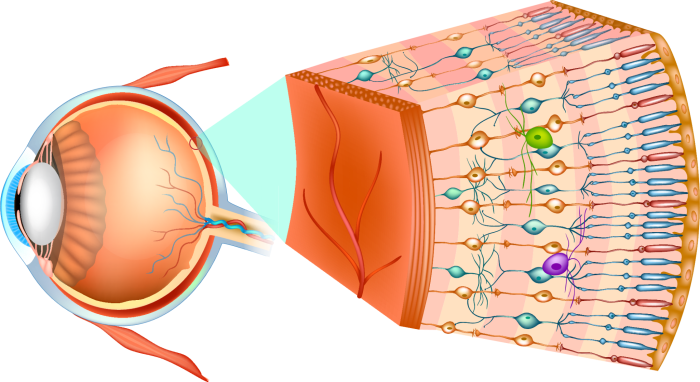
Maintaining retinal health is crucial for overall eye vision, akin to ensuring the tires are in optimal condition before embarking on a road trip. After all, if your tires are flat, you won’t get very far! The retina, a thin layer of tissue at the back of your eye, is responsible for converting light into signals that your brain understands, making it an essential player in the game of vision.
Without a healthy retina, even the clearest of glasses won’t save you from a blurry outlook on life.Retinal diseases can be quite the party poopers, leading to a range of issues from mild vision disturbances to significant loss of sight. Imagine trying to watch your favorite movie but the screen keeps flickering – frustrating, right? Conditions like diabetic retinopathy or age-related macular degeneration can interfere with daily activities, turning simple tasks like reading or recognizing faces into major challenges.
It’s like trying to navigate through a foggy day without a map!
Methods for Maintaining Retinal Health
To keep your retina in tip-top shape and avoid those pesky vision problems, a mix of diet and lifestyle changes is key. Let’s explore some fun and effective ways to give your retina the love it deserves:Start with a colorful plate! A diet rich in fruits and vegetables can be your best friend. Foods loaded with antioxidants, such as leafy greens, carrots, and berries, can help fight oxidative stress, making your retina feel like it just won a spa day.
Here are some superstars to include in your diet:
- Spinach and kale – the leafy green champions packed with lutein and zeaxanthin.
- Carrots – the classic eye health hero, always ready to help you see in the dark.
- Fish rich in omega-3 fatty acids, like salmon and sardines, can help fight dry eyes and improve retinal health.
- Blueberries – tiny powerhouses of antioxidants that can boost your vision like a turbo charge!
Regular eye check-ups are another non-negotiable part of maintaining retinal health. Think of it as giving your vision a regular tune-up. Eye exams can catch potential issues early before they become a spectacle-worthy drama. Lastly, let’s not forget the golden rule of lifestyle changes: protect your eyes from excessive sun exposure by rocking those stylish sunglasses! A good pair of shades doesn’t just make you look cool; they also protect your delicate retinas from harmful UV rays that can lead to cataracts and other issues.
“An ounce of prevention is worth a pound of cure.”
Engaging in regular physical activity can also keep your blood flow humming and your retinal health flourishing. So, whether it’s a dance-off in your living room or a brisk walk around the block, your retina will thank you for it!In summary, keeping your retina healthy is akin to caring for the precious lens through which you view the world. With the right diet, regular check-ups, sun protection, and some good ol’ exercise, you can maintain a vibrant and clear vision that will have you seeing life in full color!
Health and Diabetes
Diabetes and retinal health are like a pair of mismatched socks—one is colorful and full of life, while the other is a dull gray with holes! Managing diabetes is crucial not just for blood sugar levels, but also for keeping those peepers sparkly and functioning. If you’ve got diabetes, your eyes need a little extra TLC. Let’s delve into how this sweet condition can affect your vision and what you can do to keep your eyes as bright as your future!
Connection Between Diabetes and Retinal Health
Diabetes can be a sneaky little devil, impacting the body in various ways, including our beloved retinas. When blood sugar levels are high, the tiny blood vessels in the retina can become damaged, leading to complications such as diabetic retinopathy. This can result in vision loss that’s as unwelcome as an uninvited party crasher! To paint a clearer picture, consider this: high blood sugar can lead to a series of events that damage these delicate vessels.
Over time, they can leak fluid or even close off entirely, causing the retina to swell or become deprived of oxygen. According to the American Diabetes Association, nearly 30% of people with diabetes over the age of 40 have some form of diabetic retinopathy. It’s like a game of hide and seek, except you definitely don’t want to find this condition!
Strategies for Managing Diabetes to Prevent Retinal Complications
To keep your eyes sparkling and your vision sharp, managing diabetes effectively is essential. Here’s a rundown of strategies that can help prevent retinal complications while also keeping your humor intact:
1. Consistent Monitoring
Regularly checking your blood sugar levels is like keeping an eye on the scoreboard during a nail-biting game. You want to monitor your performance to make adjustments as needed.
2. Healthy Eating Habits
Fill your plate with leafy greens and colorful veggies. Think of it as a party for your palate—every color is a guest that brings something unique to the table!
3. Stay Active
Exercise is not just for the gym buffs. A brisk walk can lower blood sugar levels and improve overall circulation. Think of it as giving your blood vessels a joyful little workout!
4. Medication Adherence
If your doctor has prescribed medications, take them as directed. Missing doses is like leaving your umbrella at home during a downpour—certainly not a good idea!
5. Weight Management
Maintaining a healthy weight is vital. Excess weight can exacerbate insulin resistance, much like trying to squeeze into those jeans you loved five years ago—it’s not going to work!
Role of Regular Eye Examinations in Individuals with Diabetes
Regular eye examinations are like sending your eyes to a spa day—every year (or more frequently, depending on your condition) allows your optometrist to pamper those peepers and catch any potential issues before they escalate. This is especially critical for individuals with diabetes, as early detection can make all the difference.During these exams, your eye doctor will conduct a thorough evaluation to look for signs of diabetic retinopathy or other complications.
They may use dilating drops to get a good look at the back of your eye—this may feel a bit odd, but it’s essential for your eye health!Key reasons for these regular check-ups include:
Early Detection
Catching diabetic retinopathy in its early stages can prevent severe vision loss.
Monitoring Changes
Regular visits allow for ongoing assessment of any changes in your retinal health, like tracking a suspenseful storyline in your favorite novel!
Customized Care
Your eye doctor can tailor recommendations based on your specific health needs, ensuring you get the best care possible.In conclusion, keeping an eye on your eye health is paramount when managing diabetes. Through proactive strategies and regular check-ups, we can all work towards maintaining both a vibrant retinal health and a clear vision of the future!
Health and Ergonomics
In the modern world, where screens are our loyal companions and workspaces have become our second homes, the importance of ergonomic practices has never been more apparent. Eye health, in particular, is significantly impacted by the way we interact with our devices. Poor ergonomics can lead to eye strain, discomfort, and even long-term vision problems. Let’s explore how to create a workspace that not only boosts productivity but also keeps our peepers happy and healthy.
Workspace Setup for Eye Comfort
Creating a workspace that promotes eye comfort is crucial in reducing strain and enhancing overall productivity. The aim is to set up a comfortable environment that keeps you looking sharp, quite literally. Here are key elements to consider when arranging your workspace:
- Monitor Position: Your screen should be an arm’s length away, with the top of the monitor at or just below eye level. This prevents you from leaning forward or tilting your head, which can lead to fatigue.
- Lighting: Avoid harsh overhead lights and computer glare. Natural light is your friend, but if that’s not available, use soft, indirect lighting and consider an anti-glare screen protector.
- Font Size: Make sure you can read text easily without squinting. Increase the font size if necessary, because no one wants to play a game of “How small can I make this?”
- Seating: Your chair should support your back and allow you to maintain a good posture. Think of it as the throne of productivity – only the best for your royal self!
Exercises and Breaks to Reduce Eye Fatigue
Prolonged screen time can lead to eye fatigue, but incorporating regular breaks and eye exercises can work wonders. It’s like a spa day for your eyes—without the cucumber slices (unless you’re into that). Here’s how to pamper your peepers:
- 20-20-20 Rule: Every 20 minutes, look at something 20 feet away for at least 20 seconds. This simple practice allows your eyes to relax and reduces strain.
- Eye Exercises: Try rolling your eyes or focusing on a distant object and then a nearby one to keep those eye muscles flexible.
- Blinking Breaks: Make a conscious effort to blink more often. When we stare at screens, our blinking rate drops significantly. Blinking keeps your eyes lubricated and comfortable.
- Stretch It Out: Stand up, stretch your arms, and take a short walk. Movement increases blood circulation and can help reduce overall fatigue.
“An ergonomic workspace is not just a luxury; it’s a necessity for maintaining eye health and overall well-being.”
Wise words from someone who probably stared at too many screens!
Health and Emotional Freedom Technique
Emotional Freedom Techniques (EFT), also known as tapping therapy, is like giving your emotional baggage a one-way ticket to nowhere! By tapping on specific meridian points while addressing negative emotions, you can alleviate stress that may be impacting your eye health. Stress can cause eyestrain, dryness, and even exacerbate conditions like glaucoma. By using EFT, you not only lighten your emotional load but also pave the way for clearer vision.EFT works on the principle that negative emotions can disrupt the body’s energy system, leading to physical symptoms, including those pesky visual disturbances.
By addressing emotional issues through tapping, you can significantly reduce stress and promote overall wellness, including eye health. Let’s dive into how to implement this delightful technique step-by-step so you can start tapping your way to clearer vision and a lighter heart!
Step-by-Step Guide for Implementing Emotional Freedom Techniques
Understanding the steps involved in EFT allows you to make it a part of your daily routine, much like brushing your teeth – but way more fun! Here’s a straightforward guide to help you get started:
1. Identify Your Issue
Pinpoint the stressor affecting your emotional well-being. It could be anything from work pressure to an unresolved family dispute.
2. Rate the Intensity
On a scale of 0 to 10, rate how intense the stress feels. This will help track your progress.
3. Setup Statement
Create a statement that acknowledges your issue while expressing self-acceptance. For example, “Even though I feel this stress about my job, I deeply and completely accept myself.”
4. Tapping Sequence
Begin tapping on the meridian points while repeating a reminder phrase related to your issue. The key tapping points include:
The Karate Chop Point (side of your hand)
Eyebrow Point (beginning of the eyebrow)
Side of the Eye (beside the eye)
Under the Eye (below the eye)
Under the Nose (between the nose and upper lip)
Chin Point (between the chin and lower lip)
Collarbone Point (where the collarbone meets)
Under the Arm (about 4 inches below the armpit)
5. Reassess
After a round of tapping, reassess the intensity of your stress on the same scale. Have you made progress? If not, repeat the process!
6. Celebrate your Wins
Whether you dropped from a 10 to a 5 or all the way down to a 0, give yourself a pat on the back! You deserve it.
“Tapping is like giving your emotional stress a swift kick out the door!”
Case Studies and Testimonials on Emotional Health and Vision
EFT has garnered a plethora of enthusiastic supporters who swear by its benefits, especially when it comes to eye health. For instance, consider the case of Jenna, a graphic designer who experienced chronic eye strain and headaches from long hours in front of the screen. After integrating EFT into her daily routine, she reported a significant reduction in stress, which directly correlated with her eye strain decreasing by 70% within a month!Another inspiring testimonial comes from Mark, a retiree who struggled with anxiety related to his vision loss.
After consistently practicing EFT, he reported not only an improvement in his emotional well-being but also a newfound sense of clarity in his vision. His words? “I feel like I’ve turned the brightness up on my life!”These testimonials showcase that emotional health is undeniably linked to vision. By addressing those feelings with EFT, you open the door to a world where stress no longer clouds your eyesight or your emotional state.
Remember, a little tapping can go a long way in keeping your vision—and your spirits—bright!
Health and Exercise
Regular physical activity is not just about fitting into your favorite pair of jeans; it’s also about keeping your peepers happy! Engaging in a consistent fitness program can significantly enhance not only your overall health but also your retinal well-being. Think of exercise as the superhero your eyes have been waiting for, swooping in to save the day from the clutches of deterioration and disease.The connection between exercise and eye health is as clear as a freshly cleaned pair of glasses.
When you engage in physical activities, you boost blood circulation, which aids in delivering vital nutrients and oxygen to your eyes. An active lifestyle can combat factors that lead to retinal degeneration, like diabetes and high blood pressure. So, let’s lace up those sneakers and explore some eye-friendly exercises and routines!
Exercises Beneficial for Eye Health
Incorporating specific exercises into your fitness routine can be the cherry on top of your retinal health sundae. These exercises not only keep your body fit but also keep your eyes in tip-top shape. Here are some engaging activities to consider:
- Aerobic Activities: Engage in activities like brisk walking, cycling, or swimming. These exercises improve cardiovascular health, which directly benefits your retina by enhancing blood flow.
- Strength Training: Don’t skip leg day! Lifting weights or resistance exercises can help manage blood pressure and blood sugar levels, crucial for eye health, especially in those with diabetes.
- Yoga: Incorporating yoga into your routine can help alleviate eye strain and promote relaxation. Poses like the downward dog can help reduce pressure in the eyes and improve circulation.
- Eye Yoga: Yes, that’s a thing! Exercises like palming and focusing can help reduce eye fatigue, especially for those who spend long hours in front of screens.
Regular engagement in these activities not only aids your heart but also supports your sight, creating a harmonious relationship between your body and your eyes.
“A fit body is the ultimate accessory for a sharp vision.”
Cardiovascular Health and Eye Health
The heart and the eyes are like two best buddies on a mission to keep you healthy. Cardiovascular health plays a vital role in maintaining your eye health. A healthy heart pumps blood efficiently, ensuring that your eyes receive the nutrients they need to function optimally. Here’s how cardiovascular health connects with eye health:
- Reduces Risk of Eye Diseases: Conditions like diabetic retinopathy and age-related macular degeneration are linked to poor cardiovascular health. Keeping your heart in check can reduce the risk of such eye ailments.
- Enhances Blood Flow: Better cardiovascular health means improved circulation, which means more oxygen and nutrients delivered to your eyes. Think of it as giving your eyes a refreshing drink of water after a long, dry day.
- Maintains Healthy Blood Pressure: High blood pressure can cause damage to the blood vessels in the retina, leading to vision problems. Regular exercise can help keep your blood pressure in a healthy range.
In summary, the link between health and exercise isn’t just about feeling fabulous; it’s about seeing fabulous too! So, get moving and give those eyes the care they deserve!
Health and Ears Hearing
Maintaining the harmony of your senses is like conducting a symphony; each instrument plays a vital role, and if one goes out of tune, the whole performance can fall flat. Eye and hearing health are particularly intertwined, with research showing that good hearing can enhance visual processing and vice versa. When these two senses communicate effectively, our overall sensory experience is vastly improved, allowing us to enjoy the world in all its vivid details.The health of our ears is not just about hearing our favorite tunes or the sound of birds chirping; it’s about safeguarding our overall sensory health.
By protecting our hearing, we’re not just saving ourselves from the annoyance of loud noises or the need to scream “What?!” at every family gathering— we’re enhancing our visual experiences too. Here are some effective methods to protect your hearing and, by extension, your eyes:
Methods for Protecting Hearing
Taking care of your auditory senses requires a proactive approach. Here are some strategies to help you avoid hearing damage that could also impact your vision:
- Volume Control: Keep those headphones at a reasonable volume. If you can hear your music over the blender, it’s probably too loud! Aim for 60% of the maximum volume for no more than 60 minutes a day.
- Ear Protection: Invest in some stylish earplugs or noise-canceling headphones. They’re like sunglasses for your ears—keeping harmful sounds at bay while you still enjoy the vibes!
- Take Breaks: Just like your eyes need a break from screens, your ears need a breather from noise. Implement the 60-60 rule: 60 minutes of sound, followed by a 60-minute break.
- Avoid Loud Environments: Steer clear of rock concerts without ear protection, unless you want to risk your hearing. Even your next family reunion can be a sound hazard!
- Regular Check-ups: Schedule regular hearing tests. Don’t wait until you’re that person asking, “What did you say?” at every gathering.
Sensory overload is a real phenomenon that can have a ripple effect on both your hearing and vision. When our brain is overwhelmed by excessive stimuli—whether it’s loud noises, flashing lights, or a multitude of conversations—it can struggle to process information efficiently. This overload can lead to fatigue, difficulty concentrating, and, wait for it, blurry vision!
“The eyes may be the windows to the soul, but the ears are the gateways to all kinds of delightful chaos!”
Maintaining the connection between your hearing and vision not only keeps your senses sharp but also enhances your overall quality of life. So, let’s raise a glass—filled with ear protection, of course—to a future of finely-tuned senses and clear vision!
Health and Environmental Issues
In the grand theater of life, our eyes are the dazzling spotlights, shedding light on the colorful world around us. But like any good performer, our retinas can be affected by the backstage chaos—specifically, environmental issues. Pollution, poor air quality, and contaminated water can sneak in and dim our visual brilliance. Let’s dive into the murky waters of environmental factors and discover how they impact our retinal health, along with some superhero strategies to combat them.
Effects of Environmental Factors on Retinal Health
Our environment plays a crucial role in the health of our eyes. Factors such as air pollution and exposure to harmful chemicals can contribute to various eye issues, including retinal degeneration. Studies have shown that fine particulate matter in the air, often produced by traffic and industrial activities, can lead to oxidative stress in retinal cells. This stress can accelerate conditions like macular degeneration, taking the sparkle out of our vision.
Additionally, exposure to UV rays without adequate protection can damage the retina. It’s like sending your eyes out to a beach party without sunscreen—risky business! Airborne toxins, such as those from pesticides and heavy metals, can also seep into our bodies and wreak havoc on our ocular health. Maintaining a clean environment isn’t just a matter of aesthetics; it’s vital for keeping our retinal health intact!
Strategies for Reducing Exposure to Harmful Environmental Agents
Reducing exposure to harmful environmental agents can be as easy as making your own superhero cape (or perhaps just a well-thought-out plan). Here are some strategies to keep those pesky pollutants at bay:
- Indoor Air Purifiers: Consider investing in an air purifier that filters out allergens and pollutants, creating a breath of fresh air for your living space.
- Shield Your Eyes: Wearing sunglasses with UV protection is essential when heading outdoors, shielding your retinas from the sun’s harsh rays.
- Stay Hydrated: Drinking clean, filtered water can help flush out toxins from your body, including any that might affect your eye health.
- Choose Organic: Opting for organic produce can reduce exposure to harmful pesticides that may affect your body and, by extension, your eyes.
- Limit Screen Time: Taking breaks from screens helps reduce eye strain; after all, your eyes deserve a vacation too!
By implementing these strategies, you’re not just being smart; you’re also turning into an environmental guardian for your eyes.
Importance of Clean Air and Water for Maintaining Eye Health
Clean air and water are the dynamic duo of eye health—like peanut butter and jelly, they just go together! Clear air helps maintain overall body health, which directly translates to healthier eyes. Contaminants in the air can lead to inflammation and discomfort in the eyes, while clean air allows for optimal oxygen flow, which is critical for retina function.Similarly, clean water is essential for hydration and detoxification.
Dehydration can lead to dry eyes and discomfort, which can detract from your vision experience. Drinking pure water also helps in the removal of harmful substances from the body, including those that could negatively impact retinal health.
“You wouldn’t swim in a cesspool, so why let your eyes suffer in polluted air or water?”
Let’s embrace the simplicity of clean living: breathe easy, drink pure, and keep those retinas shining bright. A little bit of effort goes a long way in safeguarding your precious vision for years to come!
Eating Disorders
Eating disorders are not just a challenge for one’s dietary habits; they can also play tricks on your vision. Imagine a world where your eyes are like a pair of glasses with a smudged lens—everything looks a little distorted and unclear. In fact, the impact of eating disorders on eye health can lead to serious consequences that might leave you seeing stars—literally!Eating disorders such as anorexia nervosa and bulimia can lead to nutrient deficiencies that directly affect the eyes.
Reduced intake of essential vitamins and minerals can result in dry eyes, blurred vision, and in severe cases, even retinal damage. For example, a lack of vitamin A, which is crucial for good vision, can cause night blindness and hinder overall ocular health. Furthermore, dehydration, often seen in those with bulimia, can exacerbate eye-related issues. It’s crucial to tackle these disorders not just for overall health but also to preserve the windows to our souls—the eyes!
Nutritional Guidelines for Retinal Health Recovery
A robust recovery from eating disorders requires a diet rich in nutrients specifically beneficial for eye health. Here’s what you need to fuel your vision:
- Omega-3 Fatty Acids: Found in fish like salmon and flaxseeds, these fats are essential for maintaining healthy retinal function. Think of them as the oil that keeps your ocular engine running smoothly.
- Leafy Green Vegetables: Spinach and kale are packed with lutein and zeaxanthin, antioxidants that protect your eyes from harmful light. They are like sunglasses for your retina!
- Colorful Fruits and Vegetables: Carrots, sweet potatoes, and bell peppers are loaded with vitamins A, C, and E, crucial for overall eye health. Think of them as the rainbow your eyes need to shine bright.
- Hydration: Water is your friend! Staying hydrated helps maintain moisture in your eyes, keeping them clear and comfortable. Aim for at least 8 glasses a day—your eyes will thank you!
Consuming a balanced diet rich in these nutrients is vital for the recovery of ocular health. However, it’s essential to remember that dietary changes should always be supervised by healthcare professionals to ensure a safe and healthy approach.
Mental Health’s Role in Treating Eating Disorders
Understanding the mental health aspect is equally important in treating eating disorders and their effects on vision. Eating disorders are often tied to underlying emotional issues such as anxiety and depression, which can cloud your perception—both literally and metaphorically. Therapies like Cognitive Behavioral Therapy (CBT) have been used to address the emotional aspects of eating disorders, helping individuals reshape their thoughts about food and body image.
These programs often emphasize the connection between mental wellness and physical health, underscoring how feelings can affect not just eating habits but also the ability to care for one’s eyes. Moreover, mindfulness and stress-reduction techniques, such as yoga and meditation, can improve mental clarity and help one develop a healthier relationship with food. When mental health improves, the likelihood of adhering to a nutritious diet increases significantly, leading to better retinal health outcomes.
In short, a holistic approach that combines nutritional guidelines with mental health support can help in recovering from eating disorders, ensuring that both body and mind are aligned on the path to better vision.
Diseases Related to Retinal Health
Retinal health is a vital aspect of our overall well-being, but it can be compromised by various diseases that sneak up like uninvited party guests. Understanding these conditions is crucial for maintaining not just our vision but also our general health, as the eyes are often a window to our body’s status. Let’s dive into some of the main culprits that can affect our beloved retinas.
Common Diseases Affecting Retinal Health
Several diseases can pose a serious threat to retinal health, and it’s essential to recognize them before they cause irreversible damage. Here are some noteworthy offenders that often make their grand entrance in the world of eye health:
- Multiple Sclerosis (MS): This sneaky neurological disorder is known to cause damage to the optic nerve, which can significantly impact vision. MS can lead to a condition called optic neuritis, where inflammation disrupts visual signals, leaving individuals seeing blurry or muted colors—sort of like watching an old movie on a worn-out VHS tape.
- Diabetes: A notorious troublemaker, diabetes can lead to diabetic retinopathy, a condition where high blood sugar levels damage the blood vessels in the retina. This can result in vision loss if not monitored; think of it as your retina’s way of demanding a very strict diet.
- Hypertension: Often dubbed the “silent killer,” high blood pressure can also wreak havoc on your retinal health. Hypertensive retinopathy occurs when elevated blood pressure damages the blood vessels in the retina. It’s like trying to squeeze toothpaste back into the tube—it just doesn’t work!
Implications of STDs on Overall Health, Including Eye Health
Sexually transmitted diseases (STDs) may seem like they only affect specific areas of health, but they can have implications that reach as far as your eyes. For instance, certain STDs like herpes and syphilis can lead to serious eye conditions, including retinal damage.
“What’s good for the heart is good for the eyes!” While this catchy phrase might not be a scientific theorem, it holds some truth when discussing STDs and eye health.
Being informed of the potential ramifications of STDs on your overall health, especially your vision, is paramount. Regular screenings and maintaining healthy practices can help keep both your eyes and your intimate life in tip-top shape.
Preventive Measures and Treatment Options
Preventive measures can often be the difference between maintaining good retinal health and facing serious eye issues. Just like you wouldn’t go on a road trip without checking your tires, ensure your eyes are road-ready, too! Here are some preventive strategies and treatment options that can help safeguard your retinal health:
- Regular Eye Exams: Don’t wait for the symptoms to start. Regular check-ups can catch problems early. It’s like a tune-up for your car—better safe than sorry!
- Controlling Blood Sugar and Blood Pressure: Staying on top of your diabetes management and hypertension is key. Dietary changes, medications, and regular monitoring can help keep both in check.
- Healthy Lifestyle Choices: Eating a balanced diet rich in omega-3 fatty acids, leafy greens, and antioxidants will have your retina dancing with joy. Also, don’t forget to exercise regularly—your body and eyes will thank you!
- Treatment Options: Depending on the disease, treatments can vary from medications, laser therapy, to injections that target retinal issues. Consulting with an ophthalmologist can provide tailored options for your specific needs.
Drug Abuse
Drug abuse is a serious issue that affects not just the mind and body, but also the delicate structures of the eye. When individuals engage in substance misuse, they might not realize that their vision can be at risk. After all, who needs good vision when they’re on a ‘trip’ to a fabulous place? Unfortunately, the road to recovery often leads through a blurry haze, and that’s not the kind of vision one wants to have!The impact of drug abuse on eye health can be quite profound, leading to various issues such as retinal damage, cataracts, and even vision loss.
Certain substances have a notorious reputation for wreaking havoc on one’s ocular well-being. This can lead to potentially irreversible damage that might result in lifelong consequences.
Substances Leading to Retinal Damage
Understanding which substances can harm the retina is crucial to raising awareness about the importance of sobriety. Here’s a list of some notorious culprits that can turn your vision into a pixelated mess:
- Cocaine: This stimulant can cause a condition known as retinal artery occlusion, where blood flow to the retina is blocked, leading to sudden vision loss.
- Alcohol: Excessive alcohol consumption is linked to a variety of eye issues, including vitamin deficiencies that can lead to damage in the retina.
- Marijuana: While often viewed as a ‘soft’ drug, marijuana can lead to increased intraocular pressure, which may exacerbate or trigger glaucoma.
- Crystal Meth: This potent drug has been associated with a condition called “meth-induced ocular ischemia,” leading to vision problems and even blindness.
- Opioids: These can cause various visual disturbances, including blurred vision and increased sensitivity to light.
Awareness programs that focus on the importance of sobriety are essential in maintaining retinal health. Engaging communities through workshops, seminars, and fun events can be a great way to spread the message about the dangers of drug abuse. For instance, hosting a ‘Vision and Sobriety’ day where individuals can learn about maintaining healthy eyes while enjoying activities that promote a sober lifestyle can be both informative and enjoyable.
Sobriety is not just about staying away from substances; it’s about seeing life clearly!
Final Wrap-Up
In conclusion, retinal health might not wear a cape, but its role in preserving our vision is nothing short of heroic. As we’ve explored the ins and outs of how lifestyle, health, and even emotional well-being intersect with our visual acuity, it’s clear that taking care of our retinas is an essential part of living life to the fullest. So, let’s raise a glass (of carrot juice, perhaps) to our retinas and commit to nurturing them, ensuring that we continue to see the world in all its colorful glory!
Key Questions Answered
What are common signs of retinal problems?
Common signs include blurry vision, seeing flashes of light, dark spots, and difficulty seeing at night.
Can diet really affect retinal health?
Absolutely! Foods rich in omega-3 fatty acids, antioxidants, and vitamins A, C, and E can help keep your retinas happy.
How often should I get my eyes examined?
It’s generally recommended to have a comprehensive eye exam every one to two years, but consult your eye care professional for advice tailored to your needs.
Is screen time really bad for my retinas?
Too much screen time can cause eye strain and discomfort, but practicing the 20-20-20 rule can help mitigate the effects!
Can I reverse retinal damage?
While some retinal damage may not be reversible, early detection and treatment can prevent further issues; hence, regular check-ups are crucial!


